Family Traditions That Strengthen the Bond Between Generations

Family Traditions That Strengthen the Bond Between Generations
In a world where busy schedules, long commutes, and digital distractions often pull families in different directions, traditions can be the glue that keeps everyone connected. They create rhythm, familiarity, and shared memories — and they help bridge the gap between generations. Whether it’s a major holiday or a simple weekly ritual, traditions remind us: We belong together.
Why Traditions Matter
Traditions give families a shared story. They remind us where we come from and who we share our lives with. For children, the repetition brings comfort and anticipation — they know what to expect and look forward to it. For parents and grandparents, traditions are a way to pass down values, stories, and experiences.
When generations come together around the same rituals, a special sense of belonging emerges. It might be baking cookies from Grandma’s recipe, gathering for Thanksgiving dinner, or returning to the same lake house every summer. These moments strengthen family ties — not through grand gestures, but through shared experiences.
Everyday Traditions That Count
Traditions don’t have to be elaborate or formal. In fact, it’s often the small, consistent rituals that mean the most. For example:
- Friday night pizza and a movie – a simple way to end the week together, free from distractions.
- Sunday morning pancakes – a cozy routine that brings everyone to the table.
- Birthday breakfast in bed – a small gesture that makes each person feel celebrated.
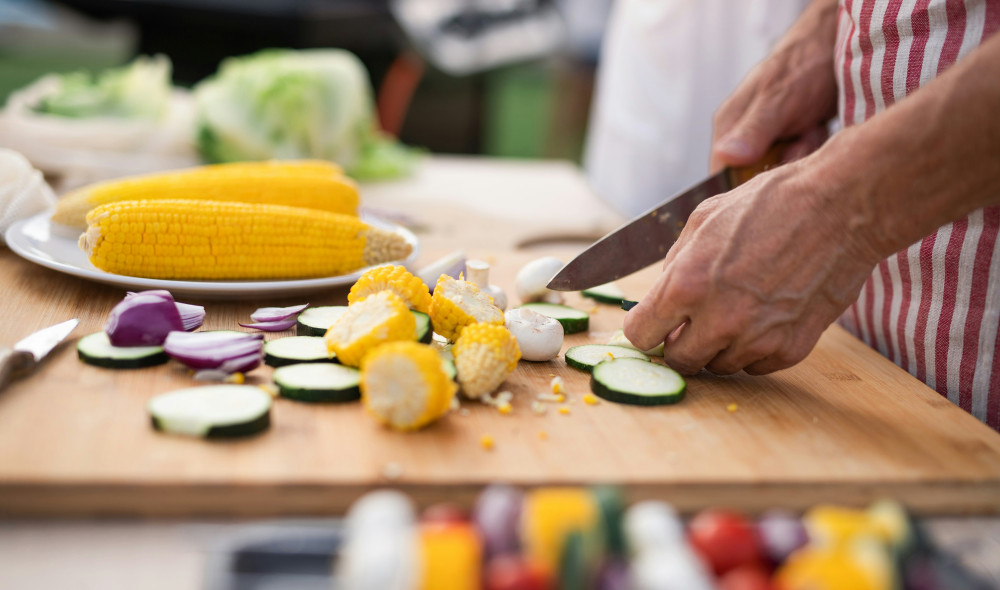
- Cooking together – where kids learn family recipes and adults share stories from their own childhoods.
Over time, these small rituals become part of a family’s identity. They don’t require much planning, but they create continuity and closeness.
Holidays as a Gathering Point
Holidays naturally bring families together across generations. Thanksgiving, Christmas, Hanukkah, Easter, and the Fourth of July are opportunities to revive old traditions — or start new ones.
Many families have their own special ways of celebrating: a favorite dish, a particular song, a game, or a yearly outing. These unique touches become cultural heirlooms that children carry with them into adulthood.
In families that blend different backgrounds or cultures, combining traditions can be a gift. Maybe Grandma’s classic holiday meal is paired with a new dessert recipe from the younger generation. In this way, traditions evolve — without losing their roots.
When Traditions Need to Evolve
Life changes, and so do families. Children grow up, new members join, and old routines may no longer fit. That doesn’t mean traditions have to disappear — they can adapt.
Maybe Thanksgiving dinner rotates between households, or the annual vacation moves to a new destination. What matters most isn’t the format, but the feeling of togetherness. By involving all generations in planning, families can create traditions that feel meaningful to everyone.
A good rule of thumb is to keep the heart of the tradition — the part that truly matters — and let the rest be flexible. That way, traditions can continue to thrive even as life changes.
Læs også:


Creating New Traditions Together
If your family doesn’t have many established traditions, it’s never too late to start. Begin small: choose an activity everyone enjoys and repeat it regularly. It could be an annual family reunion, a monthly game night, or a weekend hike.
The key is that the tradition feels meaningful to everyone involved. When children and teens have a say in what the family does, they feel ownership — and that increases the likelihood that the tradition will live on.
Shared Memories That Last
In the end, family traditions are about creating memories. They become the stories we tell again and again — the ones that connect generations, even when life takes them in different directions.
When we gather around something familiar, we feel that we belong. That sense of belonging is what makes traditions so powerful — and what allows them to live on, long after they first began.
Læs også: