Creative Cooking Without Extra Time – Discover the Joy of Everyday Meals


Creative Cooking Without Extra Time – Discover the Joy of Everyday Meals
Everyday cooking doesn’t have to be boring or time-consuming. Many people think creativity in the kitchen requires fancy ingredients, complicated recipes, and hours of preparation—but it doesn’t have to be that way. With a few simple shifts in planning, ingredients, and mindset, you can turn your daily meals into moments of joy and inspiration—without spending any extra time.
Think in Principles, Not Recipes
One of the biggest time traps in cooking is the endless search for the “right” recipe. Instead of following detailed instructions, try thinking in principles: What do you already have in your fridge, and how can you combine those ingredients in new ways?
A few ideas:
- Build from a base – start with something simple like pasta, rice, quinoa, or bread, and add vegetables, proteins, and flavorings as you like.
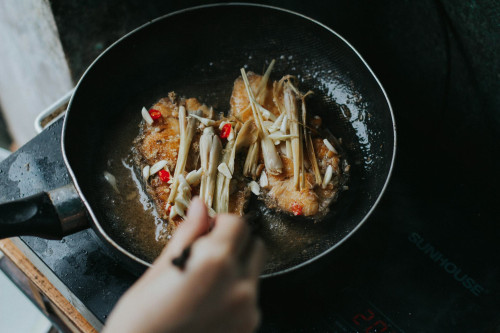
- Change the flavor direction – the same ingredients can taste completely different with a shift in seasoning. Try giving chicken and veggies an Asian-inspired twist with soy sauce and ginger, or a Mediterranean feel with olives and lemon.
- Use leftovers as inspiration – instead of seeing leftovers as dull, treat them as building blocks. Mashed potatoes can become crispy patties, and cooked vegetables can turn into a quick soup or frittata.
When you learn to think flexibly, cooking becomes faster, easier, and a lot more fun.
Plan with Freedom
Planning might sound like the opposite of creativity, but it’s actually the key to more freedom in the kitchen. A loose weekly meal plan can save you stress and last-minute grocery runs—while still leaving room for spontaneity.
- Create a basic plan with three or four go-to meals you know work well. The other days can be open for improvisation.
- Shop for versatility – choose ingredients that can be used in multiple ways. A bag of spinach, for example, can go into a salad, an omelet, or a pasta dish.
- Prep small elements ahead – cook extra grains, chop vegetables, or make a dressing in advance. These small steps make it easy to assemble a meal in minutes.
When you have a foundation, it’s easier to be spontaneous—and you’ll avoid that 6 p.m. “what’s for dinner?” panic.
Make the Kitchen a Creative Space
Cooking can be more than a chore—it can be a creative break in your day. Instead of seeing it as another task, use your time in the kitchen to unwind, experiment, and play with flavor.
Put on some music, try a new spice combination, or let your kids pick one ingredient to include in dinner. It doesn’t have to be perfect—it’s about having fun and discovering new tastes together.
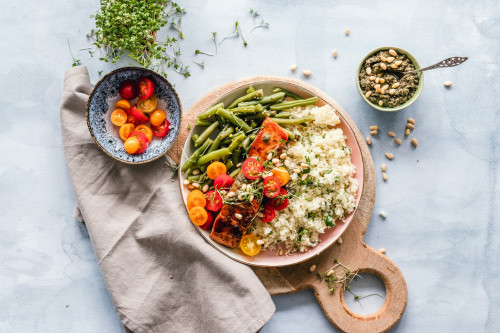
Even small touches can make a difference: arranging food nicely on a plate, adding fresh herbs as garnish, or serving dinner family-style instead of straight from the pot. These little details create a sense of abundance, even on busy days.
Use Your Senses, Not Just the Recipe
When you let go of strict recipes and trust your senses, a whole new world opens up in the kitchen. Taste as you go, adjust with acid, salt, or sweetness, and learn to recognize when something “feels right.”
It takes a bit of practice, but it makes cooking more intuitive—and you’ll become less dependent on exact measurements. You’ll start to understand how flavors balance each other, which makes improvising easier when time is short.
Læs også:

Finding Joy in the Simple
Creative cooking isn’t about impressing anyone—it’s about finding joy in the simple. A quick pasta with fresh vegetables, an omelet made from fridge leftovers, or a salad with a homemade dressing can be just as satisfying as a complex dish.
When you give yourself permission to experiment without pressure, cooking becomes a natural, enjoyable part of everyday life—not a chore, but a small daily moment of creativity and calm.
Læs også: