Historic Burial Sites: A Journey Through the Lives and Fates of the Past

Historic Burial Sites: A Journey Through the Lives and Fates of the Past
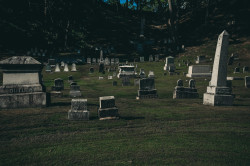
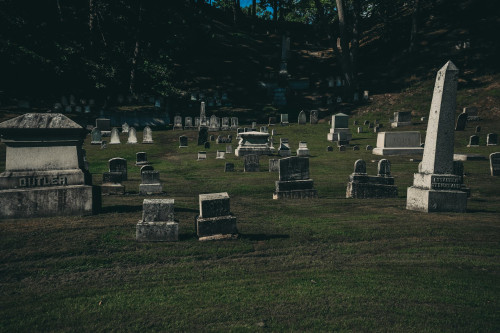
Burial sites are more than resting places for the dead—they are silent storytellers of human history. When we walk through historic cemeteries, we enter landscapes where the past still speaks through stone, symbol, and inscription. Each grave offers a glimpse into a life once lived, a time once real, and a culture’s way of understanding both death and existence.
This article invites you on a journey through some of America’s most remarkable historic burial grounds and explores how they reflect the nation’s evolving identity.
Cemeteries as Cultural Heritage
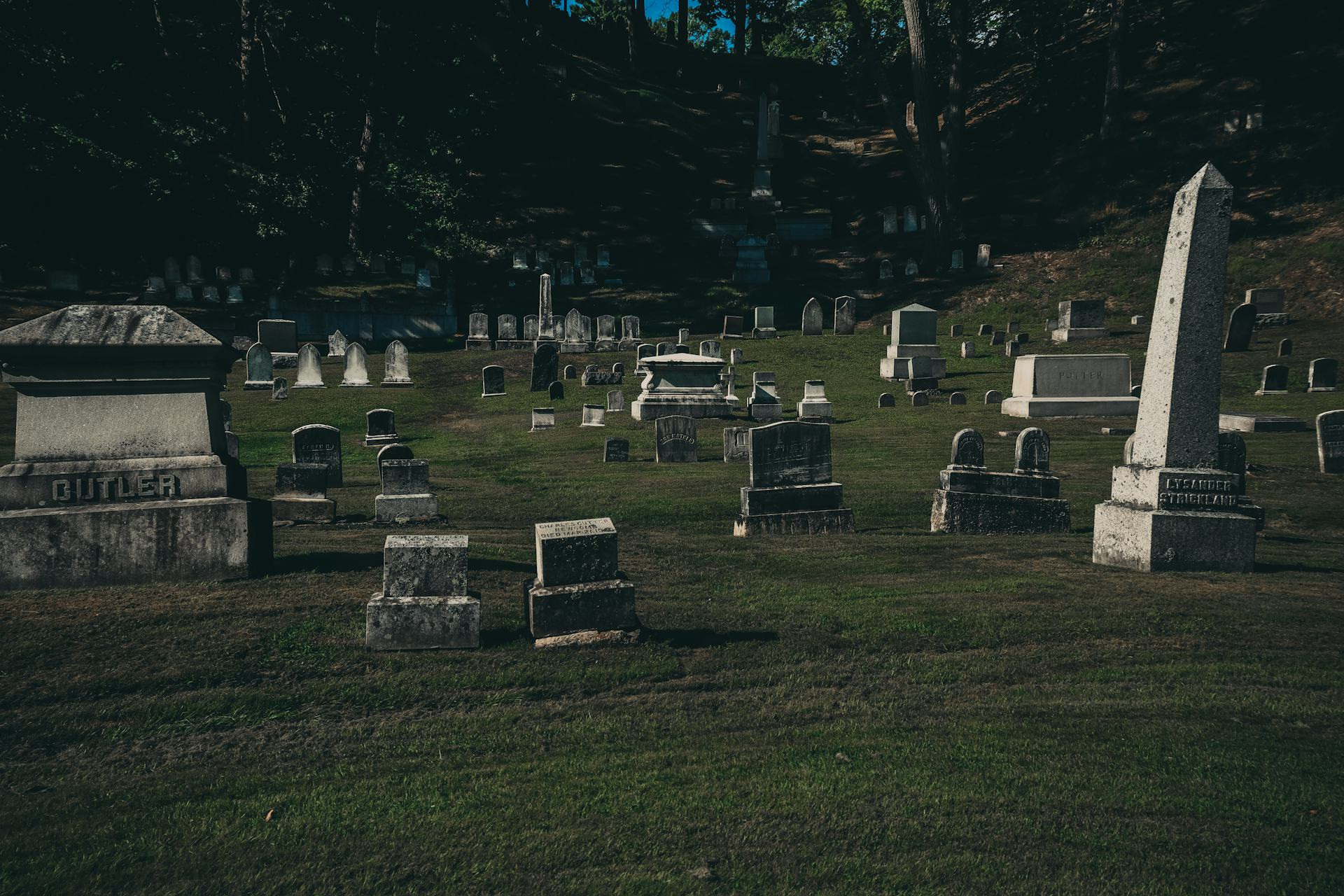
Cemeteries are part of our shared cultural heritage. They reveal how Americans have expressed faith, grief, and remembrance across generations. In the 19th century, the “rural cemetery” movement transformed burial grounds into park-like spaces—places not only for mourning but also for reflection and recreation. These green sanctuaries, such as Mount Auburn Cemetery in Massachusetts, reflected a romantic view of death as a natural continuation of life.
Today, many historic cemeteries serve as both memorials and public spaces. They attract historians, genealogists, artists, and locals seeking peace amid the bustle of modern cities.
Famous Burial Sites and the Stories They Tell
Across the United States, historic cemeteries preserve the memory of individuals who shaped the nation’s story.
- Arlington National Cemetery in Virginia stands as one of the most solemn and symbolic burial grounds in the country. Established during the Civil War, it honors soldiers from every major American conflict. The Tomb of the Unknown Soldier and the eternal flame at President John F. Kennedy’s grave remind visitors of sacrifice and national unity.
- Green-Wood Cemetery in Brooklyn, New York, founded in 1838, became a model for the rural cemetery movement. Its rolling hills and elaborate monuments commemorate figures such as composer Leonard Bernstein and artist Jean-Michel Basquiat. The cemetery’s art and architecture reflect the aspirations and anxieties of a rapidly industrializing America.
- St. Louis Cemetery No. 1 in New Orleans tells a different story—one of cultural fusion and spiritual tradition. Its above-ground tombs, shaped by French and Spanish influences, hold the remains of Creole families, voodoo priestess Marie Laveau, and countless others who embody the city’s unique heritage.
- Hollywood Forever Cemetery in Los Angeles captures the glamour and transience of the entertainment industry. Here rest icons like Judy Garland and Rudolph Valentino, their graves continuing to draw admirers from around the world.
Each of these places is a chapter in the American narrative—stories of courage, creativity, faith, and fame carved into stone.
Symbols and Inscriptions: The Language of Stone
The art and inscriptions on gravestones reveal how Americans have understood life and death through time. Early colonial markers often bore skulls, hourglasses, and biblical verses—reminders of mortality and divine judgment. By the 19th century, motifs of angels, flowers, and clasped hands reflected gentler, more sentimental views of death. In the modern era, gravestones have become increasingly personal, featuring photographs, favorite quotes, or even symbols of hobbies and professions.
These changes mirror broader shifts in American culture—from collective religious identity to individual expression and from fear of death to celebration of life.
Læs også:

Burial Grounds as Mirrors of Society
A cemetery is a social document in stone. In earlier centuries, the size and ornamentation of a grave often reflected wealth and status. Elaborate mausoleums marked the resting places of the elite, while the poor were buried in unmarked plots or potter’s fields. Racial segregation extended even into death, with separate burial grounds for Black Americans, Native Americans, and immigrants.
Today, many historic cemeteries are working to acknowledge and preserve these overlooked histories. Projects to restore African American burial sites, for example, are helping to recover stories long excluded from the national narrative. In this way, cemeteries continue to evolve as spaces of remembrance, reconciliation, and education.
Visiting Historic Cemeteries Today
Visiting a historic cemetery can be a deeply moving experience. Whether you’re tracing family roots, studying art and architecture, or simply seeking quiet reflection, these places offer a tangible connection to the past. Many cemeteries now host guided tours, historical reenactments, and cultural events that bring history to life while maintaining respect for the dead.
When visiting, it’s important to tread lightly—both literally and figuratively. Stay on paths, avoid touching fragile stones, and take time to read inscriptions with curiosity and reverence. Each name represents a life, a story, and a moment in history.
Voices of the Past in the Present Landscape
Historic burial sites are not only places of mourning but also of understanding. They remind us that history is not confined to textbooks or museums—it lies beneath our feet, inscribed in marble and granite, whispering through the trees.
As we walk among the graves, we encounter echoes of love, loss, hope, and faith. These resting places invite us to reflect on our own place in the continuum of time and to recognize that the lives of those who came before us still shape the world we inhabit today.
Læs også: