Peaceful Vacation: Plan Breaks to Match Your Kids’ Pace


Peaceful Vacation: Plan Breaks to Match Your Kids’ Pace
Family vacations can be full of laughter, discovery, and shared memories—but also of meltdowns, exhaustion, and frustration if the pace is too fast. Many parents want to make the most of their time away, packing in sights, activities, and fun. But for kids, the best moments often come when there’s time to slow down. Planning breaks and adjusting to your children’s rhythm can turn a hectic trip into a peaceful one.
Kids Move at a Different Speed
Children experience the world differently from adults. They need time to process what they see, ask questions, and simply be present. What feels like a manageable day for an adult—say, a museum visit, lunch out, and an afternoon hike—can feel overwhelming for a child.
Try planning fewer activities than you think you can fit in. One meaningful experience a day is often better than three rushed ones. It leaves room for spontaneity and for those magical moments when kids invent their own games or notice something you might have missed.
Make Breaks Part of the Plan
Breaks don’t have to feel like downtime you “lose.” They can be built naturally into your vacation schedule. Plan a quiet hour in the middle of the day—maybe reading, listening to music, or just relaxing in your hotel room or rental. That pause can recharge everyone for the rest of the day.
On road trips, use rest stops to stretch, grab a snack, or play a quick game. These short breaks help prevent restlessness and make the journey more enjoyable for everyone.
Læs også:


Balance Adventure and Rest
A great vacation is about balance. After a busy day—like a theme park visit or a long sightseeing tour—plan a slower one. Spend it at the beach, by the pool, or exploring a local park. Alternating between high-energy and low-key days helps kids (and parents) stay happy and rested.
Children thrive on routine and familiarity. Keeping consistent meal and bedtime schedules, even while traveling, provides comfort and stability. It doesn’t mean every minute has to be planned, but having a gentle rhythm helps kids feel secure.
Pay Attention to Their Signals
Even the best plans may need adjusting. Watch for signs that your kids are tired or overstimulated—quietness, crankiness, or restlessness can all be clues. It’s better to cut an activity short than to push through and end up with tears or tension.
If your children are old enough, involve them in planning. Ask what they’re most excited about and what kind of downtime they’d like. When kids feel included, they’re more likely to enjoy both the busy moments and the breaks.
Leave Room for the Unplanned
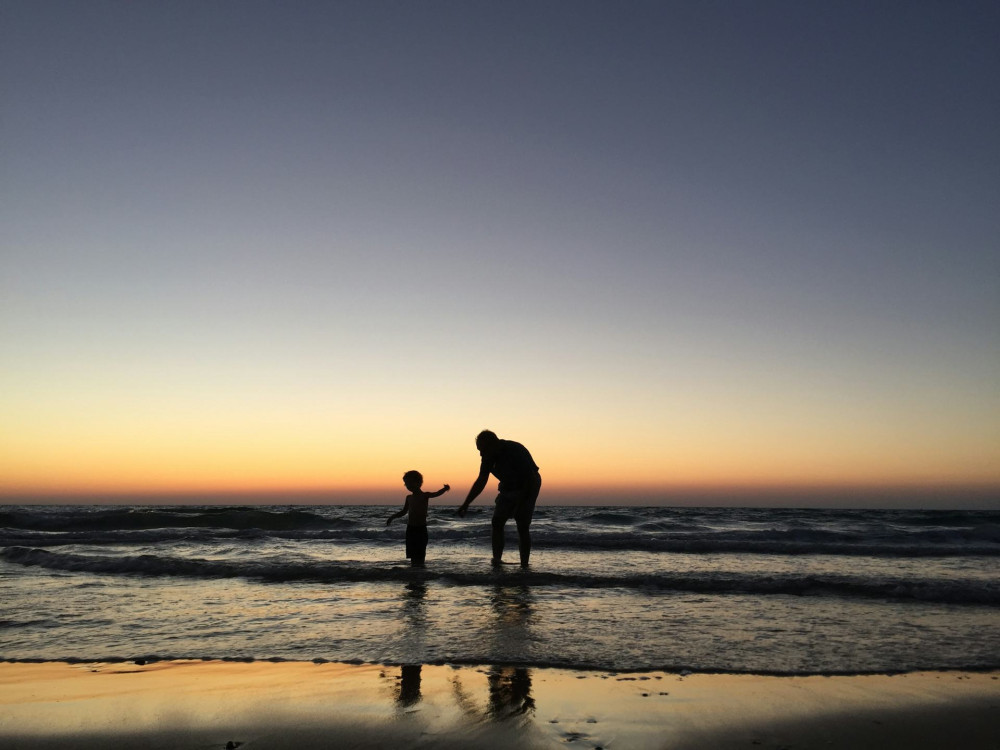
Some of the most memorable vacation moments happen when you’re not rushing anywhere—when you stop to watch a street performer, build sandcastles for hours, or simply sit together watching the sunset. Those moments only happen when there’s space in your schedule and you’re willing to let go of the idea that every minute must be filled.
Planning breaks isn’t about doing less—it’s about being more present. When the pace matches your kids’ needs, the whole family gets to experience what a vacation is truly meant to be: a time to rest, reconnect, and enjoy each other.
Læs også: