Play Your Way to Stronger Bonds: Family Games as Natural Training for Children’s Social Development

Play Your Way to Stronger Bonds: Family Games as Natural Training for Children’s Social Development
When families gather around a game, it’s rarely just about winning. It’s about laughter, teamwork, patience—and learning more about one another. Family games aren’t only cozy entertainment for a rainy afternoon; they can also be a natural and joyful way to strengthen children’s social skills. From taking turns to handling disappointment and celebrating others’ success, games become a small but powerful training ground for life.
Games as a Space for Social Learning
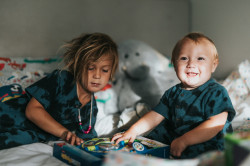
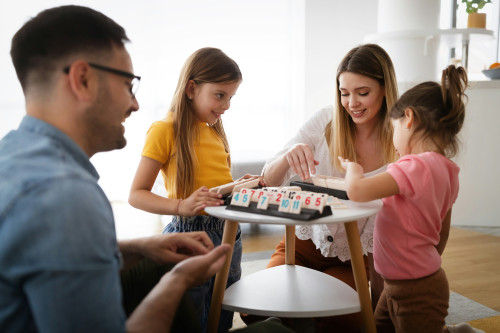
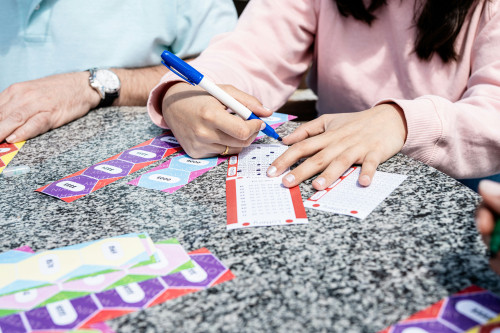
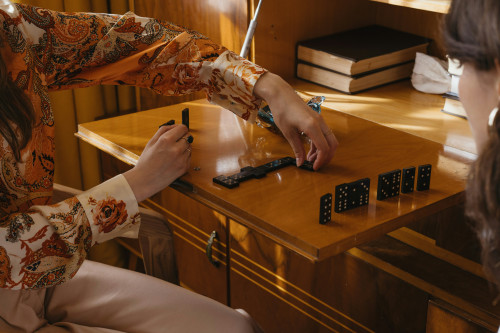
Children learn through play, and family games offer a structured form of play where rules, roles, and interactions create a framework for social learning. When kids play with parents and siblings, they practice reading others’ reactions, communicating clearly, and working toward shared goals.
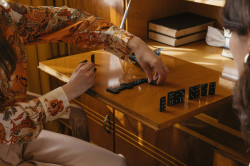
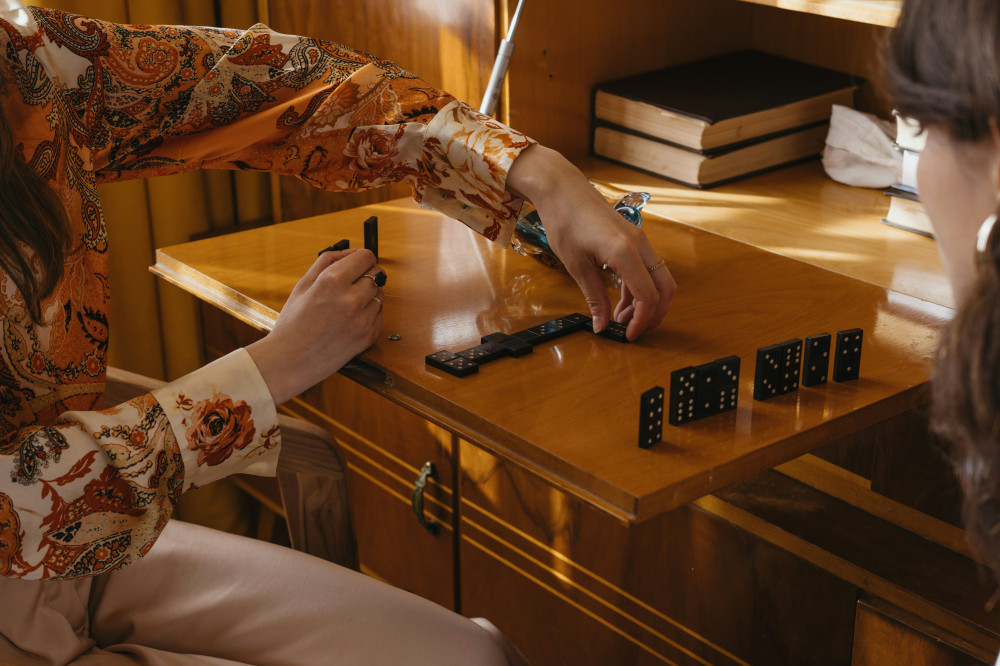
Even a simple board game can spark meaningful conversations: How does it feel to lose? What do you do when you disagree? How can you help each other even while competing? These moments become small but important steps in developing empathy, patience, and self-control.
Cooperation and Competition—Two Sides of the Same Coin
Many parents worry that competition in games might lead to conflict. But that’s exactly where valuable lessons lie. Learning to handle both victory and defeat with respect is a key social skill. When children experience that losing doesn’t mean losing connection, they learn that relationships matter more than results.
At the same time, cooperative games—where everyone wins or loses together—can balance out the competitive moments. These games require listening, planning, and supporting one another, giving children the chance to experience the joy of shared success.
Games as Language and Emotional Training
Family games can also nurture children’s language and emotional development. Explaining rules, negotiating strategies, or expressing frustration and excitement all help kids put words to their thoughts and feelings. Games create a safe space for experimenting with communication and emotional expression—while adults can guide them toward finding the right words.
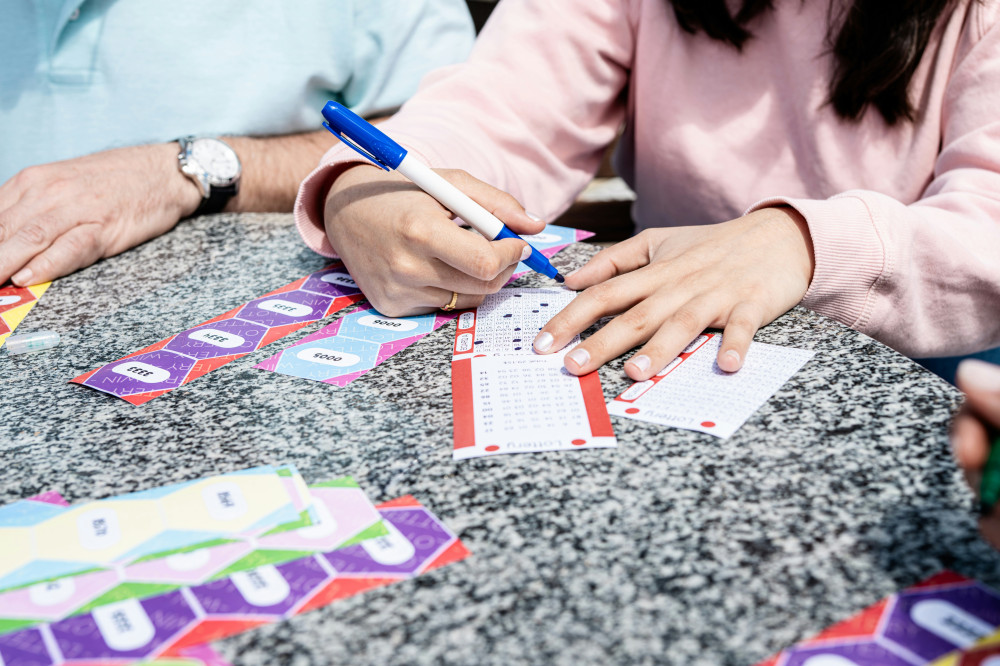
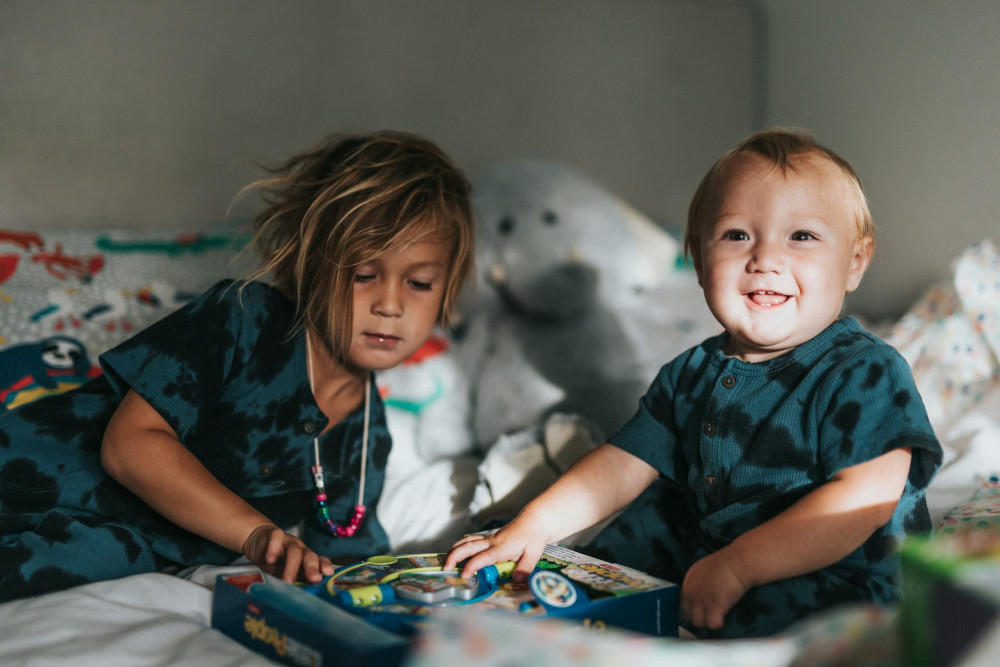
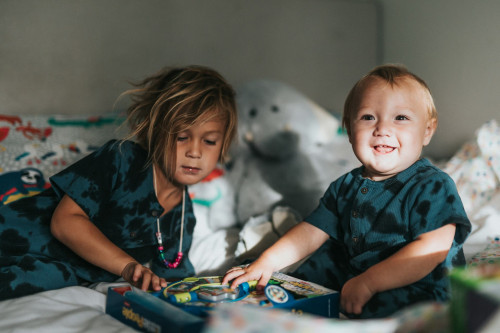
For younger children, games with pictures, colors, and simple rules help build turn-taking and concentration. For older kids, strategy games and trivia challenges can stretch logical thinking and teamwork to a higher level.
The Digital Dimension—Screen Games as Shared Experiences
Family gaming doesn’t have to happen only around a board. Digital games can also bring families together when used intentionally. Many modern video games emphasize cooperation, problem-solving, and creativity—and can be a great way to connect across generations.
The key is to make gaming a shared experience, where conversation and reflection are part of the fun. When adults join in, they can help children understand the dynamics of the game and connect what they learn to real-life situations.
Create Your Own Family Game Traditions
Making games a regular part of family life doesn’t take much. A weekly game night, a quick round after dinner, or a travel game on vacation can be enough to build lasting habits. The goal is to find games that fit your family’s ages and personalities—and to keep the focus on togetherness rather than results.
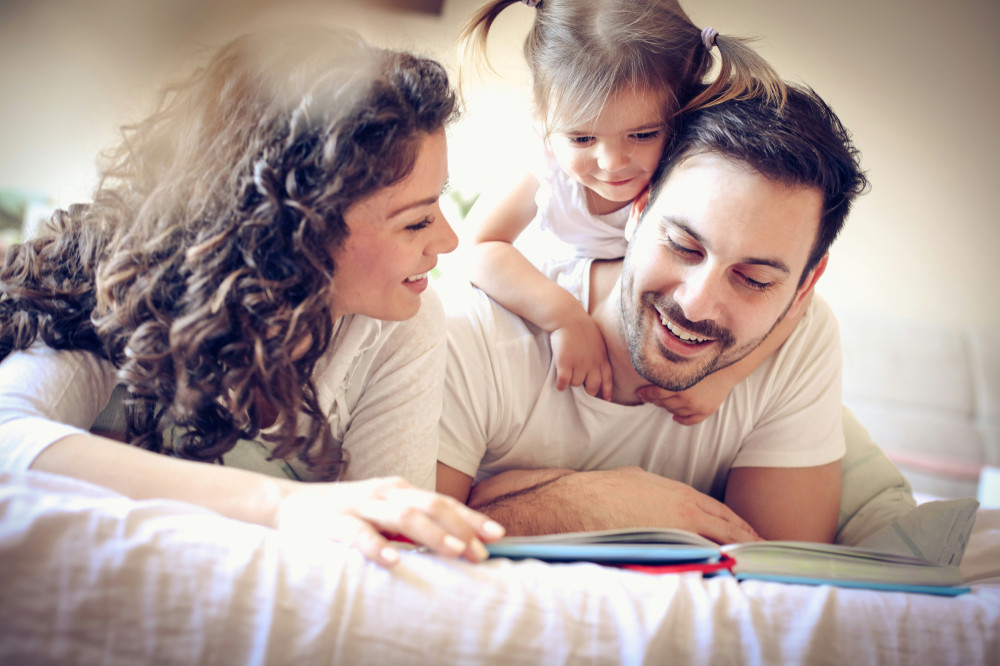
Over time, these game traditions can become a cherished part of your family identity. They create memories, strengthen relationships, and show children that fun and connection go hand in hand.
Læs også:
When Play Becomes More Than Play
At its heart, family gaming is play—but play with purpose. It gives children a chance to practice real-life social situations, where rules, emotions, and relationships all come into play. And when parents join in with curiosity and humor, the game becomes a reflection of what life is really about: cooperating, communicating, and finding joy in being together.
So next time you pull out a game, remember—it’s not just about winning. It’s about playing your way to stronger bonds.
Læs også: