Which Games Suit Your Kids? Choose by Age and Number


Which Games Suit Your Kids? Choose by Age and Number
Finding the right games for your kids isn’t just about keeping them busy – it’s about helping them grow, learn to cooperate, and use their imagination. What works for a three-year-old rarely works for a nine-year-old, and the number of players makes a big difference too. Here’s a guide to choosing games that fit your children’s age and group size.
Games for the Little Ones (Ages 2–4)
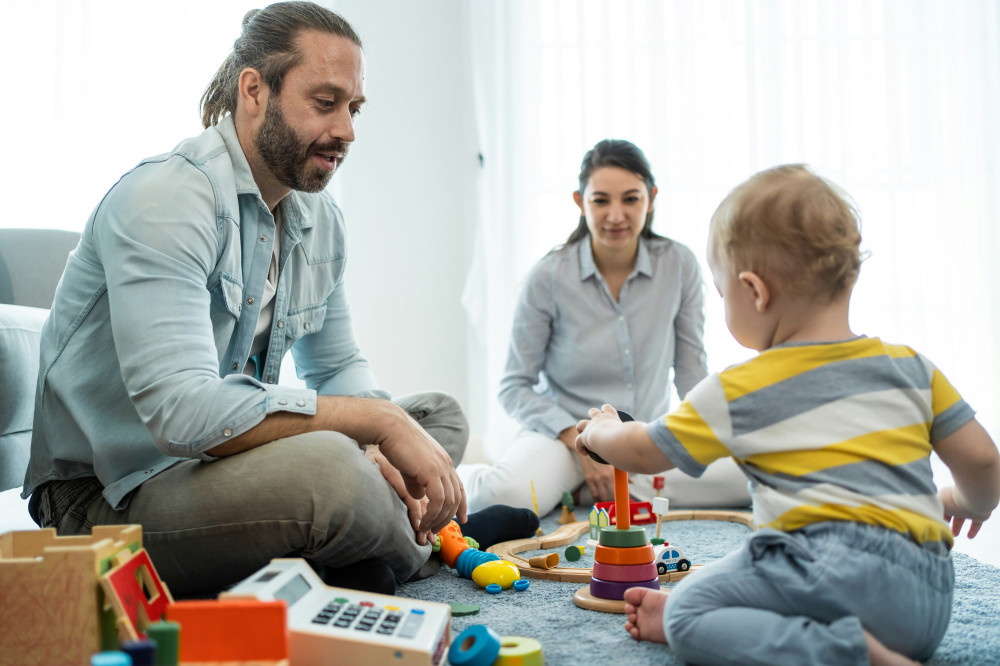
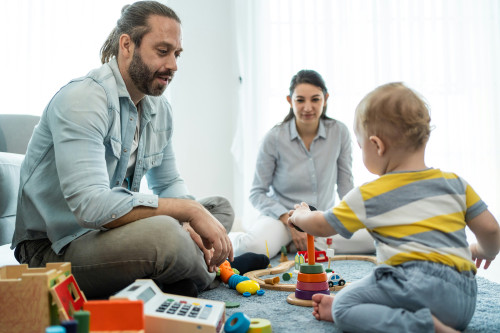
Toddlers learn best through repetition, movement, and sensory play. The best games at this age are simple, predictable, and full of action.
- Sing-and-move games like “The Wheels on the Bus” or “If You’re Happy and You Know It” combine rhythm, movement, and language – great for motor skills and early communication.
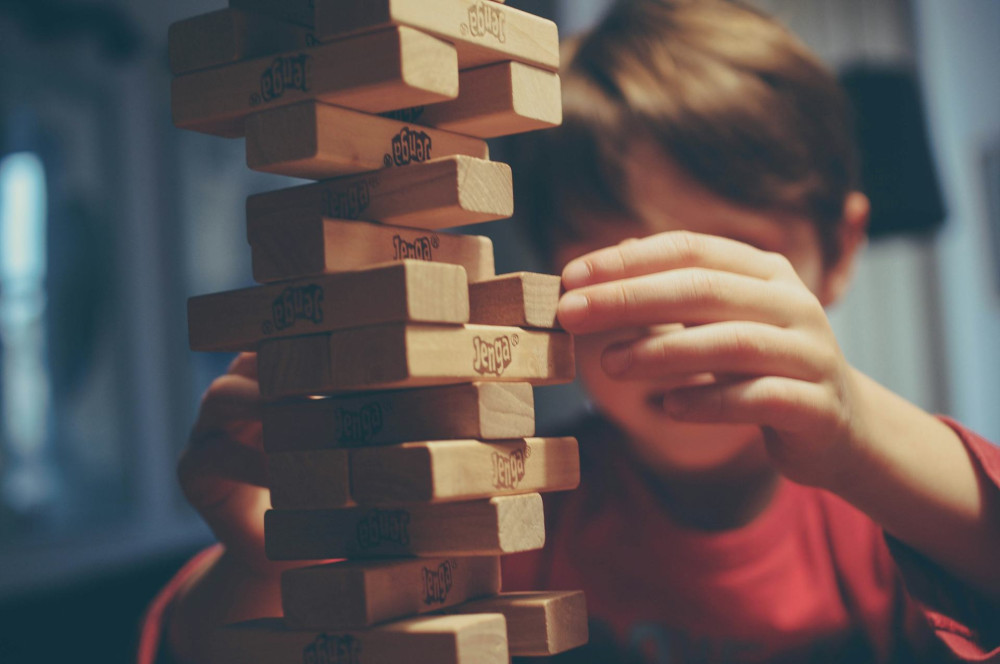
- Building with blocks or large LEGO bricks helps kids explore shapes and colors while practicing stacking and balance.
- Hide and seek with toys – hide a stuffed animal or ball and let your child find it. It builds focus and memory.
At this age, games work best in very small groups – often just one adult and one child. Too many participants can be overwhelming.
Games for Preschoolers (Ages 4–6)
Preschoolers start to understand rules and can handle more structured play. They love to move, but also to pretend and imagine.
- Tag and freeze dance are perfect for groups. They teach quick reactions, cooperation, and rule-following.
- Pretend play – kids this age love to act out family life, superheroes, or animals. It builds empathy and creativity.
- Treasure hunts – hide small clues or objects around the house or yard. It adds excitement and movement.
Three to five children is a good number for this age group. It keeps things lively without becoming chaotic.
Læs også:

Games for Early Elementary Kids (Ages 6–9)
Once kids start school, they become better at teamwork, planning, and understanding more complex rules. They also start to enjoy friendly competition.
- Board games like Candy Land, Uno, or Memory teach patience, strategy, and turn-taking.
- Scavenger hunts with challenges – add riddles or small tasks along the way.
- Ball games – from dodgeball to kickball, these are great for larger groups and outdoor fun.
Groups of four to eight kids work well here, allowing for teams and collaboration.
Games for Older Kids (Ages 9–12)
Older children crave more challenge and independence. They like to have a say in the rules and structure of their games.
- Strategy games like Capture the Flag or team scavenger hunts combine physical activity with teamwork.
- Creative projects – build a fort, make a short film, or put on a play. These activities encourage imagination and cooperation.
- Trivia or guessing games – perfect for rainy days and great for testing knowledge and quick thinking.
Groups of six to ten kids are ideal, but make sure everyone has a role so no one feels left out.
When Ages Vary
Many families have kids of different ages, and finding games that suit everyone can be tricky. The key is to choose activities where each child can contribute at their own level.
- Treasure hunts with different difficulty levels – younger kids can find objects, while older ones solve clues.
- Obstacle courses – older kids can help build them, younger ones can try them out.
- Creative activities like painting, baking, or LEGO building can easily be adjusted for different ages.
The most important thing is that everyone feels included – and that the game doesn’t turn into a competition where the youngest always lose.
Games by Number of Kids
The number of participants matters just as much as age when choosing the right game.
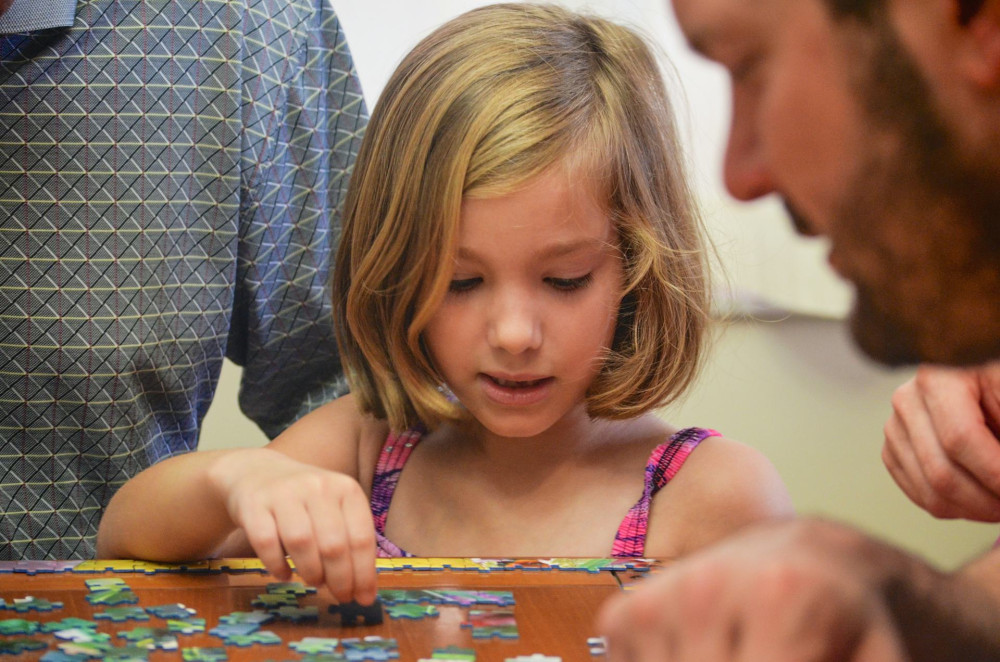
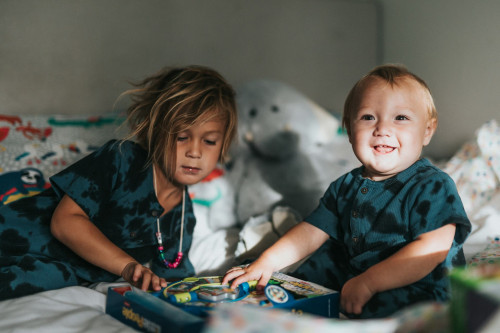
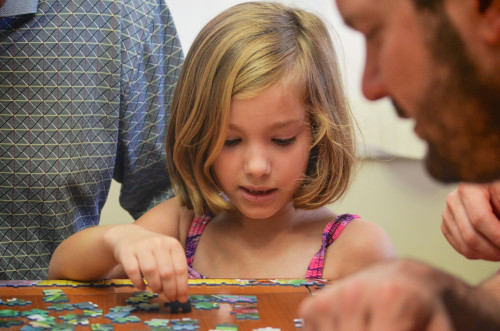
- 1–2 kids: Quiet activities like puzzles, drawing, pretend play, or simple science experiments.
- 3–5 kids: Tag, hide-and-seek, board games, or creative projects.
- 6 or more kids: Team games, ball sports, relay races, or large outdoor activities.
If there are many children, it can help to appoint an adult or older child as the “game leader” to explain rules and keep things fair.
Play as a Universal Language
No matter the age or number of players, play is one of the most important ways children learn. Through play, they practice cooperation, problem-solving, and imagination. As a parent, your role isn’t to control the game but to create the space for it – and sometimes, to join in.
When choosing games, think about what your kids gain from them: joy, movement, connection, and learning. That combination is what makes play truly valuable – and what brings smiles to both kids and adults.
Læs også: