Community in Transition: How We Preserve Old Traditions in a Modern Age

Community in Transition: How We Preserve Old Traditions in a Modern Age
In an era where our lives are increasingly digital and communities often gather on social media rather than in person, it can feel as though old traditions are slipping away. Yet traditions are more than nostalgic memories — they are part of our identity and a way to stay connected in a rapidly changing world. The question is how we can preserve them without turning them into relics of the past.
Traditions as Shared Memory
Traditions are not just repeated habits; they are shared stories that remind us who we are and where we come from. When families gather for Thanksgiving, when neighborhoods decorate for the Fourth of July, or when communities come together for local fairs, we participate in rituals that link generations. But traditions only survive if they remain meaningful to those who carry them forward. That means they must evolve with society — otherwise, they risk fading away.
Læs også:

When Change Becomes Part of Tradition
Many people believe that traditions must remain unchanged to be “authentic.” In truth, they have always been in motion. Thanksgiving, for example, has transformed over centuries — from a harvest celebration to a national holiday that now includes football, parades, and new cultural influences. Even Christmas in America blends religious, cultural, and commercial elements that have shifted over time. Adapting a tradition doesn’t destroy it; it keeps it alive. When we reinterpret old customs to fit new realities, we show that they still matter.
Community in New Forms
Across the country, traditional community spaces — churches, civic clubs, and local associations — face challenges as people’s schedules grow busier and lifestyles more mobile. Yet new forms of community are emerging: neighborhood potlucks, volunteer gardens, cultural festivals, and online groups that connect people around shared interests. These new spaces can help sustain old traditions. When neighbors gather to carve pumpkins, host a block party, or share recipes from their heritage, they create fresh settings for timeless values — togetherness, generosity, and belonging.
Everyday Rituals That Bind Us
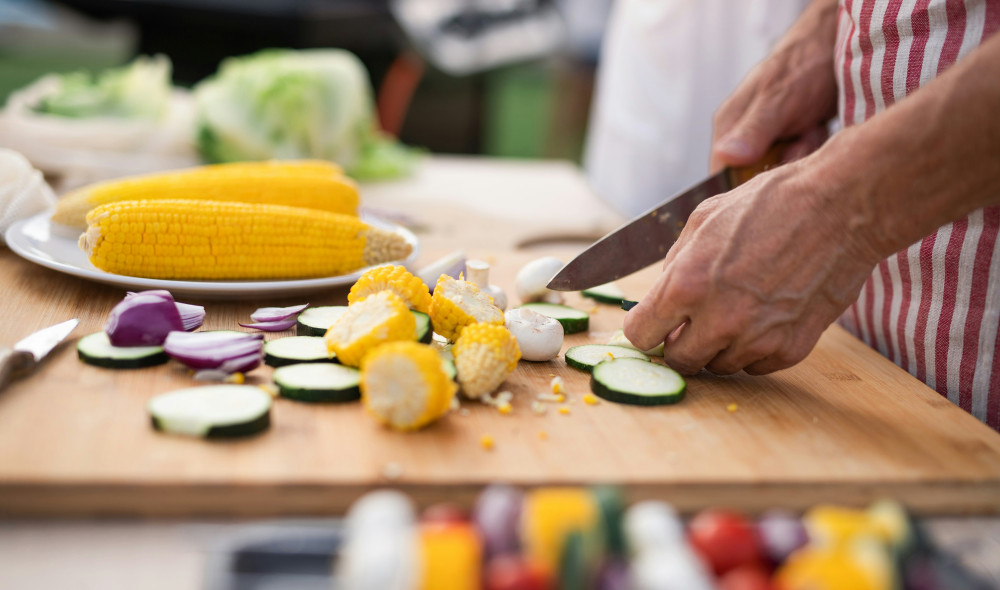
Traditions don’t have to be grand events. They can live in the small, repeated moments that give rhythm to daily life: Sunday dinners with family, morning coffee with a friend, or an annual camping trip. These small rituals often do the quiet work of holding communities together. By cherishing them, we strengthen not only the tradition itself but also the relationships that surround it.
Passing Traditions On — In Your Own Way
Preserving traditions isn’t about copying the past exactly as it was. It’s about passing it on in a way that fits the present. Maybe that means teaching your kids a family recipe but letting them add their own twist, or celebrating a holiday in a way that reflects your community’s diversity. What matters most is that the tradition feels genuine — that it brings people together and creates meaning. When we do that, tradition becomes a living part of who we are, not just a memory.
A Modern Heritage
In a globalized, fast-moving world, talking about preserving traditions might seem old-fashioned. But perhaps it’s now that we need them most. They give us roots in a time when so much else is shifting. Preserving traditions in a modern age isn’t about resisting change — it’s about carrying the best of the past into the future. In doing so, we ensure that community remains not just a memory, but a living, evolving part of our everyday lives.
Læs også: