Courage and Strength with Balance: A New Understanding of Modern Masculinity

Courage and Strength with Balance: A New Understanding of Modern Masculinity
What does it mean to be a man today? In a time when old ideals of toughness and control are being challenged by new expectations of empathy, collaboration, and emotional openness, many men find themselves in the middle of an identity shift. Modern masculinity is no longer about fitting into a fixed role—it’s about finding balance between strength and vulnerability, between taking action and daring to show uncertainty.
This article explores how the understanding of masculinity is evolving in the United States and how men today can find strength through both courage and balance.
From Provider to Partner
For generations, a man’s role was defined by his ability to provide and protect. Work, status, and control were central values. But as society has changed—and as gender equality has advanced—those old frameworks have become too narrow.
Many American men today feel caught between outdated expectations and new possibilities. They may no longer identify with traditional ideals, yet they’re unsure what should replace them. This uncertainty can be uncomfortable, but it also opens the door to new ways of being a man: not measured only by achievement, but also by presence, relationships, and authenticity.
Læs også:
Courage Beyond Toughness
Courage has long been associated with physical strength or the ability to make hard decisions under pressure. But in a modern sense, courage also means daring to show up as a full human being—with flaws, feelings, and doubts.
It takes courage to speak up against unfair expectations, to ask for help, or to show care for others. This kind of courage is rooted not in dominance, but in self-awareness and honesty.
Therapists and researchers across the U.S. have noted that this emotional courage can be key to men’s well-being. When men allow themselves to be open about what they’re going through, it becomes easier to build genuine connections—at home, at work, and in their communities.
Strength with Thoughtfulness
Strength remains an important part of masculinity, but it doesn’t have to mean taking control alone. Today, strength is just as much about collaboration, listening, and taking responsibility in ways that include others.
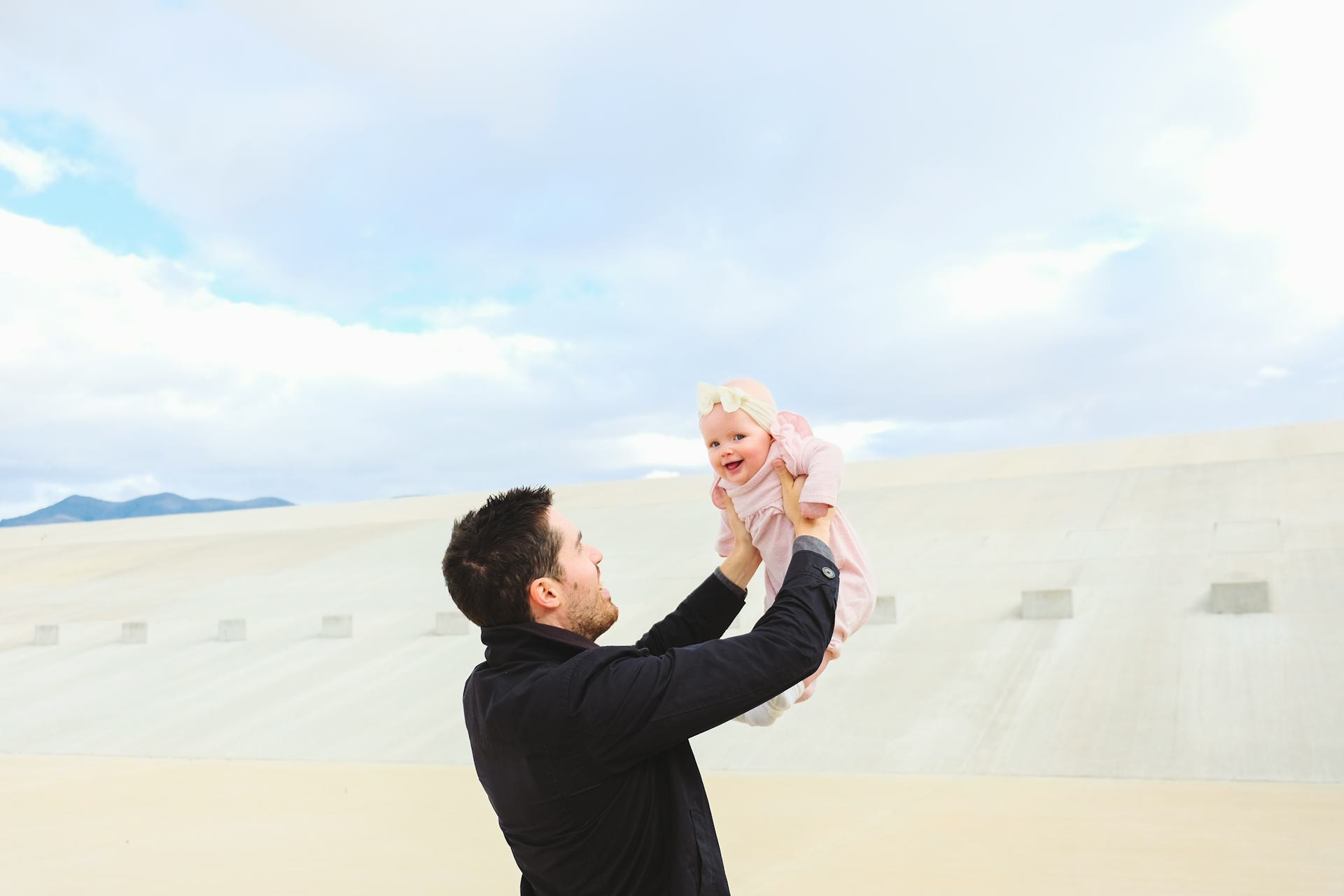
In the workplace, leadership ideals have shifted. The modern leader is expected not only to be decisive, but also empathetic and inclusive. The same is true in family life, where many fathers are taking a more active role in their children’s daily lives—not as helpers, but as equal parents.
Acting with thoughtfulness means using one’s strength to create balance, not control. It’s about leading with integrity and compassion, not dominance.
Emotions as a Source of Strength
One of the most significant changes in how masculinity is understood involves emotions. Where vulnerability was once seen as weakness, it’s now increasingly recognized as a form of strength.
Being able to express emotions and respond to them in healthy ways benefits not only the individual man but also those around him. It builds trust, closeness, and respect—and it helps in facing life’s inevitable challenges.
Studies in the U.S. show that men who talk openly about their emotions are less likely to experience stress, anxiety, and depression. Emotional intelligence, then, isn’t a rejection of masculinity—it’s an expansion of it.
Finding Balance in Everyday Life
Finding balance between strength and vulnerability, between action and reflection, takes awareness and practice. It’s not about rejecting masculinity, but about giving it new dimensions.
For some men, that means taking more responsibility at home. For others, it means being honest about what’s difficult. For many, it’s about finding communities where they can be themselves—without having to live up to an outdated ideal.
The modern man doesn’t have all the answers, but he’s willing to ask the questions. He’s not less of a man for showing emotion—he’s more fully human.
Masculinity as a Movement, Not a Destination
Masculinity today isn’t a fixed state—it’s a movement. It’s shaped by culture, relationships, and personal choices. That means there’s no single right way to be a man, but many.
When courage and strength are combined with empathy and balance, a new kind of power emerges. A power that’s not about domination, but about contribution. Not about hiding behind a role, but about standing in one’s truth.
That may be the most modern form of masculinity we can imagine.
Læs også: